Table of Contents
In today’s fast-paced world, Indian families are very worried about making sure that everyday things like milk are safe. As more and more reports come in about milk being tainted, health-conscious parents and shoppers are looking for more and more ways to tell if milk is safe to drink. It’s not just about the taste of pure milk; it’s also about keeping your family’s health safe from harmful additives and dilutions that lower the nutrition value.
Pure milk is fresh, full of nutrients, and free of harmful substances. We are proud to bring you fresh milk from our organic farms at Dairy Joy Farms. We make sure that every drop is exactly how nature made it. This guide will teach you what makes milk really pure and how to make good choices for your family.
What is Pure Milk?
Pure milk is milk that comes from healthy cows and hasn’t been changed, added to, or taken away from. It is natural milk that comes from farms that follow ethical farming practices and keeps all of its nutrients, such as proteins, vitamins, and minerals.
Pure milk, on the other hand, is not mixed with other types of milk or water to change the fat content. Some of the natural goodness in milk may be lost during pasteurization or homogenization. Pure milk, on the other hand, keeps all of its good nutrients straight from the farm.
There is no denying how important the natural nutrients in pure milk are. It gives you calcium for strong bones, proteins for growth, and fats for energy, all in the most bioavailable form. Families who want organic milk can get it from grass-fed cows. This milk is free of chemicals and has more nutrients.
Why Milk Purity Matters for Your Health
Everyone in India should know that adding things to milk is bad for their health. Adding things to milk can make it bad for your digestion, your immune system, and your health in general.
Chemicals in laundry detergents or urea are common risks that can damage your kidneys, give you allergies, or even hurt your organs for a long time. Adding water to milk makes it less healthy because it makes the nutrients less strong. Your stomach can also hurt from artificial additives.
But pure milk has a lot of good things about it. It helps the body absorb nutrients better, boosts the immune system with natural antibodies, and keeps hair and skin healthy. Both kids and adults need a lot of pure milk to stay healthy and grow. Choosing milk that doesn’t have chemicals in it is a good way to keep your family healthy over time.
Common Milk Adulteration in India
In India, milk adulteration is a common problem because people want to make money. Knowing about these things helps people stay alert.
Water Dilution: This is the most common type. It adds water to make the milk thicker and less nutritious.
Detergents: They are added to make foam and mimic fat content, but they can cause serious digestive problems.
Synthetic milk is made from vegetable oils, urea, and detergents. It is completely fake and bad for your health.
Urea: Used to artificially raise protein levels, which can put a strain on the kidneys and cause other problems.
Starch: Added to thicken milk that has been watered down, which can raise blood sugar and cause allergies.
Knowing about these additives gives you the power to ask for better quality, like choosing farm-fresh milk from trusted sources.
How to Check Milk Purity at Home (Simple Tests)
Do you want to know how to check the purity of milk at home? You can find out if your milk is pure with these simple tests that don’t need many things. To get the right results, follow these step-by-step guides.
Water Test: Put a drop of milk on a slanted surface. When pure milk flows slowly, it leaves a white trail. It’s diluted if it doesn’t leave a mark and is watery.
Starch Test (Iodine): Put a few drops of iodine in a teaspoon of milk. If it turns blue, it means that starch is present, which means it has been tampered with. There is no change in color in pure milk.
Foam Test: Shake the milk in a bottle hard. A stable foam forms on pure milk that lasts. Too much or strange foam means there are detergents in the milk.
To do the smell test, heat the milk a little and then smell it. The smell of pure milk is sweet and mild. A smell of soap or chemicals could mean that something has been added.
To test the texture, rub a drop between your fingers. Pure milk feels smooth and doesn’t leave any residue behind. If it feels gritty or slippery, it has impurities.
How to Boil: Put the milk in a pot and watch it boil. Pure milk boils evenly and doesn’t leave any scum behind. If it curdles or separates quickly, it’s been tampered with.
These tests make it easy to check that the milk is pure, so you can be sure your family is getting the fresh milk they deserve.
Signs of High-Quality Farm Fresh Milk
High-quality farm-fresh milk has certain qualities that make it better than lower-quality milk. Check for these signs to make sure it’s pure.
Natural Smell: Grass-fed cows have a light, earthy smell that isn’t too strong.
Cream Layer: When pure milk settles, it forms a thick layer of cream on top. This shows that it has natural fat.
A slight yellow tint, especially in milk from desi cows, comes from beta-carotene in fresh grass. This is a sign that the milk is organic.
No Too Much Froth: When poured, it should have a light froth, not a bubbly soapy mixture.
Thick Consistency: It feels thick and rich, not thin or watery.
These qualities make sure you’re getting natural milk that’s full of good things.
A2 Milk vs Regular Milk – Which is Better?
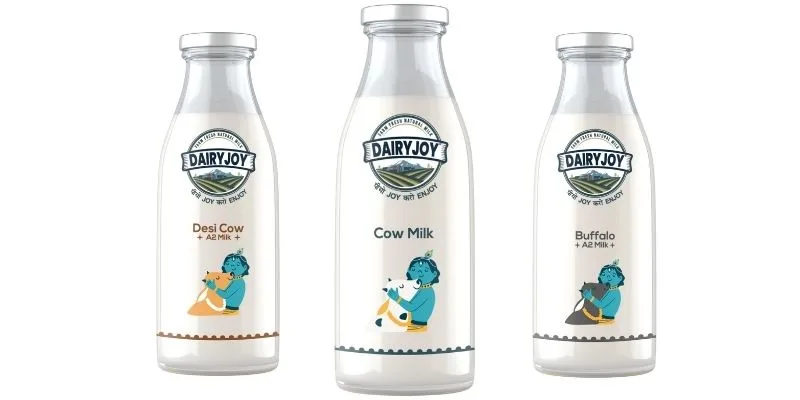
Cows that produce A2 milk have A2 beta-casein protein, which is common in desi breeds like Gir cows. A1 protein is often found in regular milk, and some people find it harder to digest.
A2 milk is better for many people because it is easier to digest. It might help with the bloating, inflammation, and pain that come with A1 milk. Research shows that A2 milk is better for gut health, which makes it a good choice for people who are lactose intolerant.
People like Desi cow milk better because it has more A2 and nutrients from grass-fed diets. If you’re looking for options, think about A2 milk as a gentler and healthier choice. Find out more about our Gir Cow Milk products.
How Dairy Joy Farms Ensures Pure Milk
At Dairy Joy Farms, we promise to provide pure milk through practices that are both ethical and good for the environment. Our cows eat grass and roam freely. They don’t get chemical fertilizers.
We don’t use hormones or antibiotics in the wrong way, so the milk stays chemical-free. Modern, clean equipment is used in hygienic milking to keep things from getting dirty.
Our fresh milk gets to you without any middlemen when you order it from the farm to your home. No mixing, no preservatives—just pure milk as it comes from the cow.
This dedication builds trust, which is why people who buy organic food choose Dairy Joy Farms. Read about us on the About Us page.
How to Store Milk Properly
Proper storage keeps your pure milk fresh and safe. Follow these tips for best results.
- Refrigeration Tips: Store in the main fridge compartment at 4°C, not the door. Use glass or steel containers to avoid plastic leaching.
- Boiling Tips: Boil fresh milk once upon receiving, then cool and refrigerate. Avoid repeated boiling to retain nutrients.
- Shelf Life: Unboiled pure milk lasts 4-6 hours at room temperature; refrigerated, it stays good for 2-3 days. Always check for sourness.
These habits ensure your farm fresh milk remains nutritious.
Why Choosing Farm-Fresh Milk is Better Than Packaged Milk
There are a number of ways in which fresh milk from the farm is better than packaged milk. It keeps more nutrients because it doesn’t go through high-heat processing that can break down vitamins.
Farm-fresh milk doesn’t have preservatives because it doesn’t need to be stored for long periods of time. It also keeps its natural flavors. Getting products directly from farms like Dairy Joy Farms ensures quality and openness.
This means that premium buyers can get organic milk that isn’t mixed with anything else. Check out the Our Milk page to see what we have to offer.
FAQs
You can use the water test, the starch test with iodine, or the smell test to check the quality of your milk. These make it easy to find adulterants.
Not always; the processing of packaged milk can change its purity. Choose well-known brands or milk from the farm for more peace of mind.
A2 milk has A2 beta-casein protein in it, which is found in desi cow milk. This makes it easier to digest than regular A1 milk.
The natural fats in pure milk rise to the top and form a cream layer. This means that the milk comes from healthy cows and has a lot of fat.
If you store fresh milk in airtight containers, it will last 4 to 6 hours at room temperature and 2 to 3 days in the fridge.
Conclusion
With so many choices on the market, it’s important for your family’s health to choose safe and pure milk. You can make better choices by knowing the risks of adulteration and how to spot signs of high quality.
For fresh, organic milk that is delivered with care, switch to Dairy Joy Farms. Enjoy the benefits of fresh milk from the farm and taste and nutrition will be better. You deserve nothing less for your health.